I was lost in the space
On a restful Friday, we made plans to visit the NASA Kennedy Space Center on Saturday and explore the rockets and the United States’ space journey. I was filled with excitement for this upcoming visit, recalling the days when I memorized the fact that Neil Armstrong was the first person to step on the moon during school. Now, I had the opportunity to witness the holy place where these historical events were once planned and executed.
In the early morning, we embarked on our journey to the space center. I found myself in the car alongside professors and Srija. During the drive, Prof. Biswa asked me if I could sing a song. However, I mistakenly misheard the word “sing” as “single,” momentarily perplexed as to why he would ask such a question. Despite my confusion, I hesitantly replied, “Yes!” To my surprise, he followed up with a request for me to sing a song. It was at that moment that I realized my misunderstanding, and I promptly conveyed this to him. Laughter filled the car, and I couldn’t help but feel a tad embarrassed by my mishearing. This incident, however, steered the conversation towards love, marriage and the culture in our own country, leading to an engaging and unexpected discussion along the way.
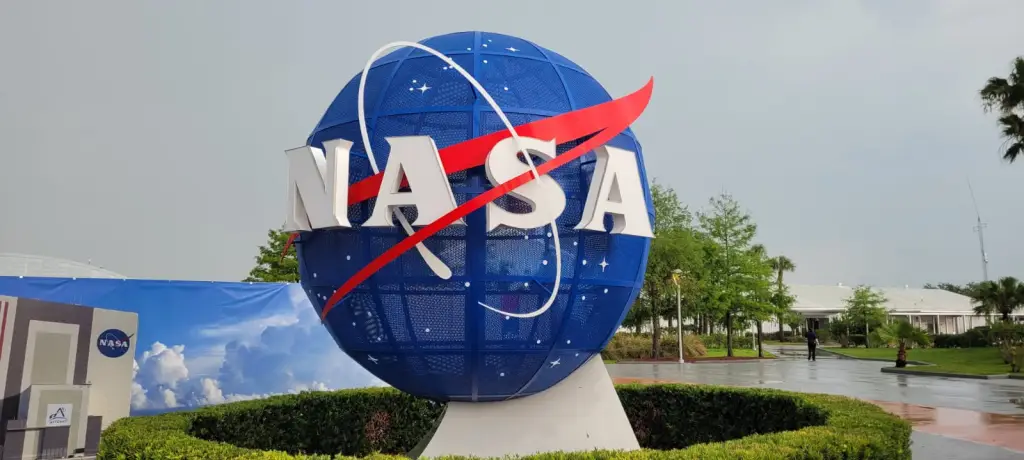
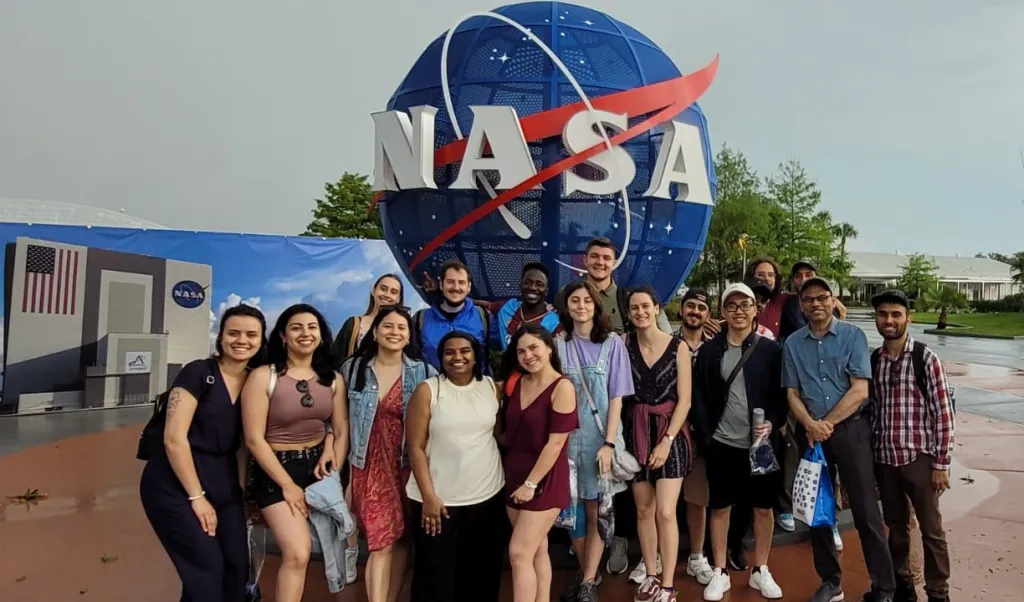
We arrived at the space center a few hours later and purchased tickets. Upon passing through the gates, I was greeted by the iconic and picturesque NASA logo, with rockets displayed in the rocket garden for demonstrations. We decided to capture the moment by taking a group picture in front of the logo before embarking on a bus tour around the space center.
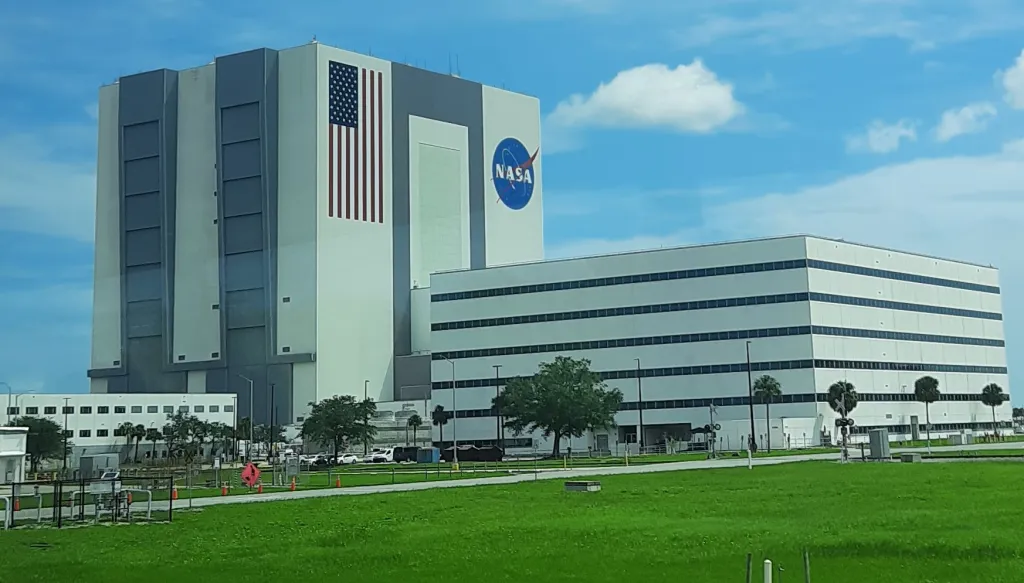
During the tour, I caught sight of the world’s largest single-storey vehicle assembly building from a distance. This impressive structure is where NASA assembles its rockets.
Eventually, the bus dropped us off at the Apollo/Saturn V Center, where we learned about the remarkable journey of how humans conquered the moon, despite facing numerous failures.
The story of the Apollo missions stirred overwhelming emotions within me. I learned about the tragic loss of three astronauts during a pre-flight test for the Apollo 1 mission. Their sacrifice, alongside the dedication of countless others involved in scientific exploration, left me with a profound sense of admiration and respect. Despite facing immense challenges, Apollo 8 became the first manned spacecraft to orbit the moon. Although it didn’t achieve its original goal of landing on the moon due to technical issues, the astronauts were able to capture breathtaking views of the lunar surface, including the iconic photograph known as the “Earthrise.”
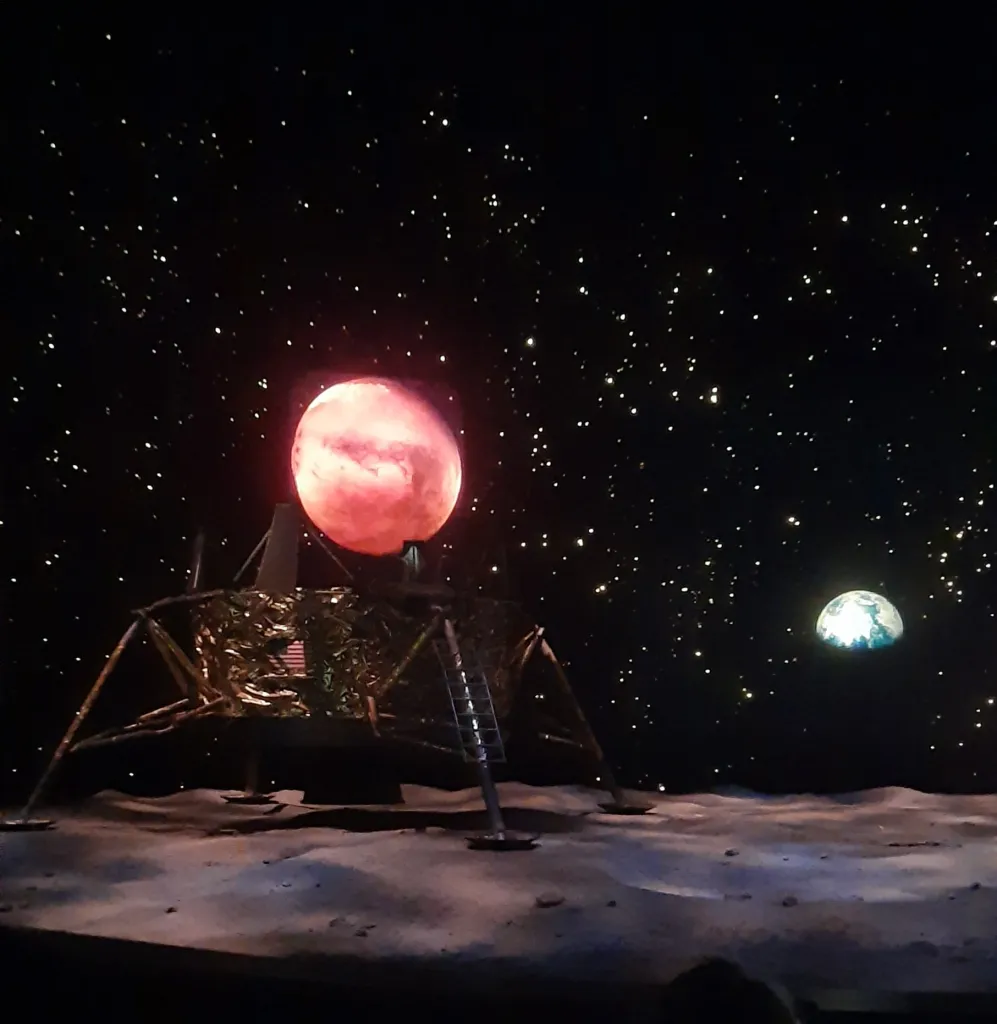
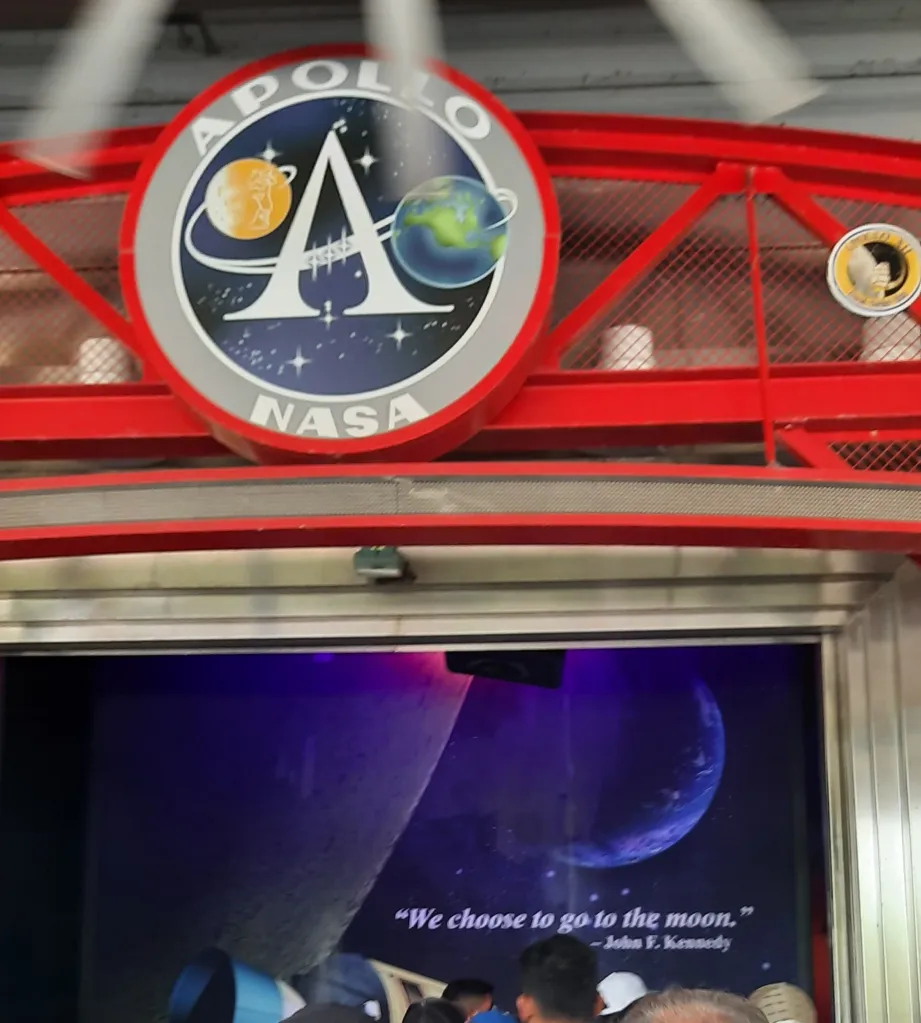
Amidst the triumphs and setbacks of the Apollo missions, the resounding words of President John F. Kennedy in his famous speech, “We choose to go to the moon…,” deeply touched my heart. These words exemplify the determination and courage that fueled the Apollo program and propelled humanity’s exploration of the infinity. Building upon this inspiration, the legendary Apollo 11 mission stands as a testament to human achievement. It represented the pinnacle of years of rigorous training and technological advancements. Witnessing the simulation of the Apollo 11 mission from the actual control room, including Neil Armstrong’s historic step onto the lunar surface and his proclamation, “one small step for man, one giant leap for mankind,” left me in awe.
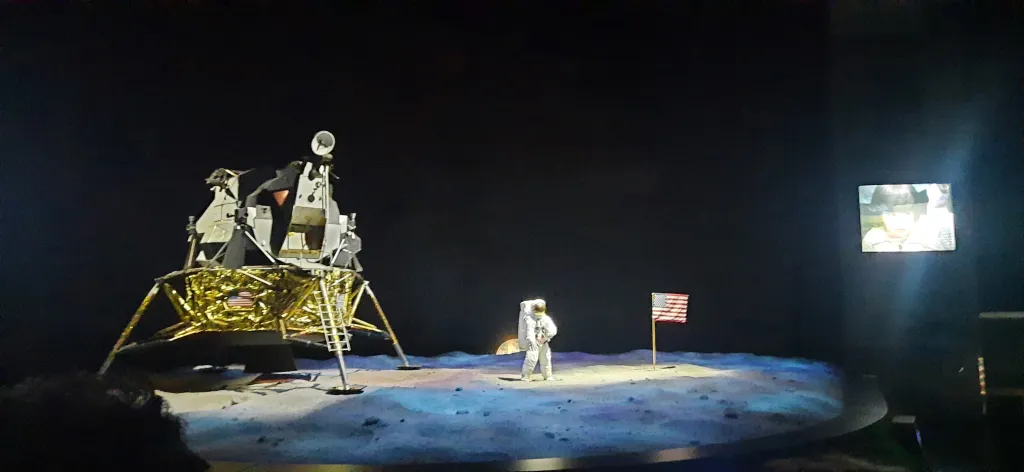
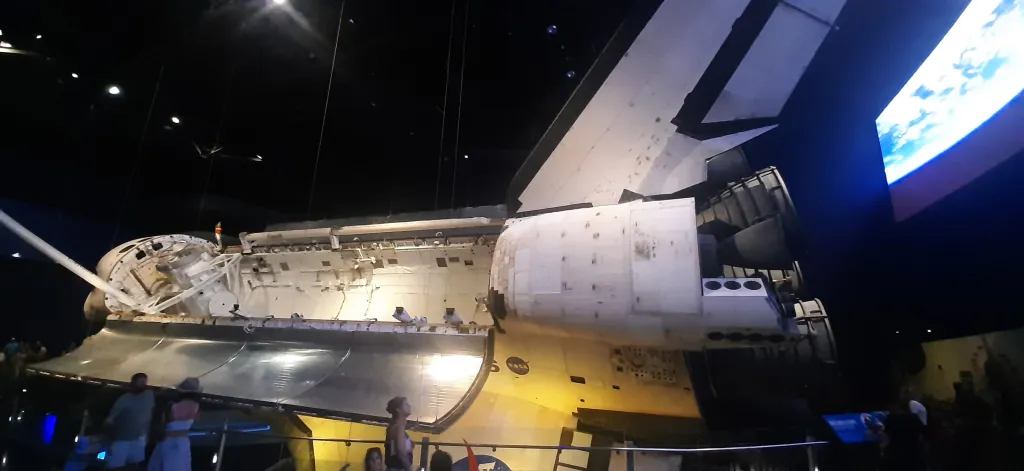
I couldn’t help but marvel at the incredible imagination of the scientists who accomplished such complex calculations and designs and executed the project during a time when the internet and modern computers did not exist. As I gazed upon the massive rockets and space shuttle on display, which had once flown to space and returned intact, I found myself overwhelmed with childlike curiosity, unable to comprehend how they accomplished such extraordinary feats. The entire experience at the center left me captivated and filled with a sense of wonder.
Later, I shared this overwhelming experience with my friend Nikola, and he expressed the same sentiments. Seeking some rest, we sat down and discussed our experience, highlighting the vastness of the universe and contemplating our insignificance on a cosmic scale. A few moments later, a friendly woman who had been listening to our conversation, unknown to us, approached and asked, “Do you guys work here?” With a hint of wonder on our faces, we replied, “No, we are just visitors here.” “The things you were talking about were going over my head, so I thought you work here”, she humorously responded. We introduced ourselves and explained the purpose of our visit. We had a pleasant and brief chat with her, during which she mentioned that her husband had once worked at the space center.
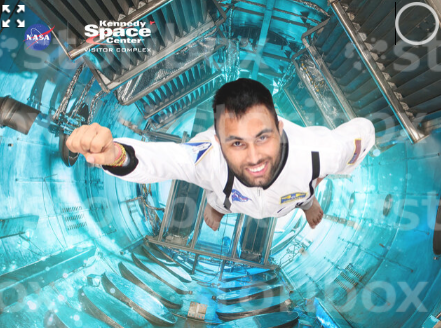
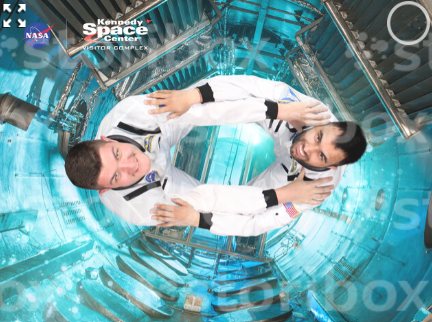
During the exploration, we couldn’t resist the temptation of pretending to be kids and took a playful picture with the astronaut outfits.
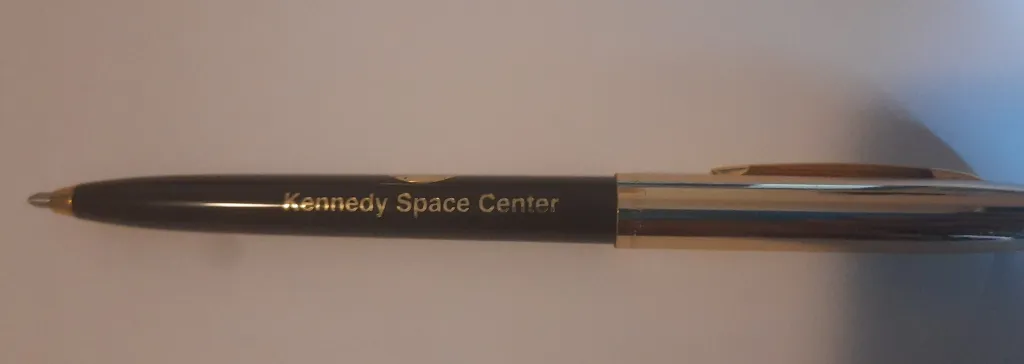
There were numerous things to see and experience within the center, and we made an effort to cover as much as possible. However, a single day was not sufficient to explore everything. Before leaving the Apollo/Saturn V center, I purchased a zero-gravity pen and a key holder as souvenirs of the visit.
At the end of the day, we gathered at the NASA logo as instructed by Prof. Biswa and took a final group picture before heading back to the hotel.
Enjoy Reading This Article?
Here are some more articles you might like to read next: